


Baking training takes you beyond a job
Baking apprentices and their employers need to mark their calendars for the 2026 Apprentice Pie Maker Awards. Entries open on April 27 and any apprentice working towards their NZ Certificate in Trade Baking Level 4 qualification can enter the competition.
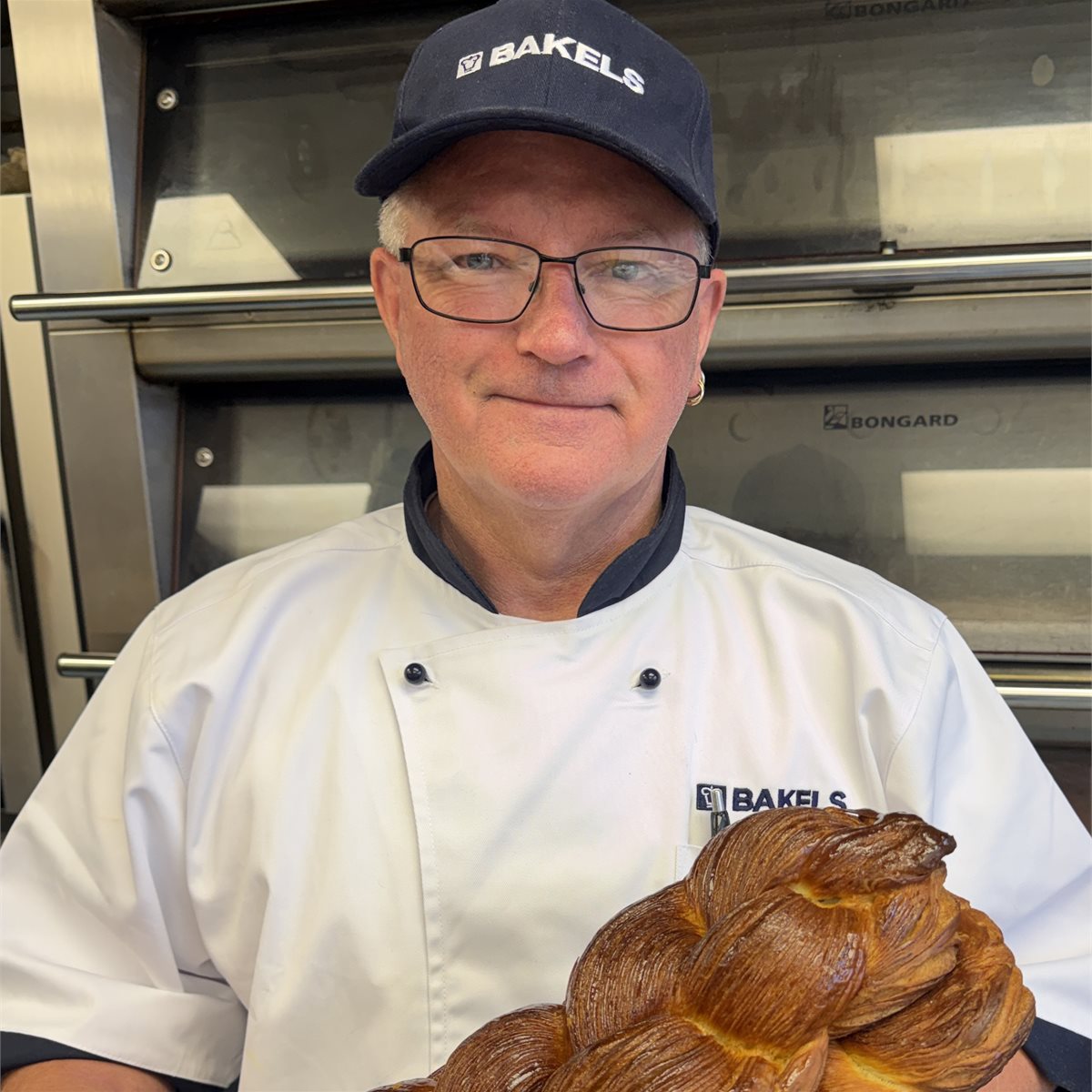
Glenn, who has been involved in the baking industry for more than 40 years, “I started baking before mince and cheese pies were invented”, says entrants will be able to test their pastry making skills, and their recipe innovation as they’ll be required to make a mince and cheese pie, and a gourmet meat pie and send them through for the blind judging on June 10.
As a bakery tutor, Glenn says the apprentices are taught all the skills needed to win this prestigious award, but they have to be self-motivated to enter and prepare for the judging themselves. In order to maintain impartiality, bakery tutors and bakery advisors are not allowed to be involved in any part of the competition.
The winner will be announced on June 11 and will be presented their award at the Bakels NZ Supreme Pie Awards on August 4.
Interestingly, a number of current apprentices are being trained by previous Supreme Pie Award winners, some of whom were former Apprentice Pie Maker Award winners too.
Becoming an apprentice
To become an apprentice an employee must be working fulltime in a bakery where the bakery owner or a senior baker will take responsibility for teaching them practical baking skills. They will have theory work to complete for each stage of the course, and a bakery advisor will be involved in a support role.
Each year they will attend a five-day block course at one of the NZ Bakels training bakeries in Christchurch, Auckland or Palmerston North where the bakery tutor will verify that they have mastered the skills required, help them with any enquiries, and also introduce them to some new or different techniques.
For example, NZ Bakels apprentices focusing on a plant strand qualification (large wholesale bakery environment) can learn skills used in a mixed products retail bakery. Currently 150 apprentices are studying through NZ Bakels alone, but demand for qualified bakers is much higher than that.
Glenn says: “An apprenticeship is a three-way contract. The employer has to be committed to training them in the workplace because it’s an on-the-job qualification. The apprentice needs to be committed to completing the paperwork and completing their training with their employer, and committed to be able to come to our block courses. And of course they are committing to three years for a Level 4.”
As a category one provider, NZ Bakels Training School will oversee, facilitate the qualification and report achievement.
He says actually having the NZ Certificate in Trade Baking is an excellent qualification that someone might consider to start a career; change careers; or even as the owner of a bakery who employs staff to do the baking, as it helps them understand how the bakery operation works.
“Apprenticeships are open entry, so anyone can apply to do one. We’ve had apprentices that are just starting in a baking career to people who are already in the baking industry in various capacities. We’ve even had the kids of bakery owners putting themselves through an apprenticeship so that they can take over the bakery when their parents want to retire.
“Once the person is enrolled and has completed all the initial paperwork, they’ll get a satchel that contains all of their year’s work – learning material and assessment material. Shortly after that they’ll be allocated to a first year block course, and that’s at least three months out from enrolment, generally.”
Glenn says in light of the new bakery qualification review, the first block course is now more generic and covers a broad range of bakery skills, rather than is specific to the particular strand the apprentices have chosen. “It will make you a better baker!” There are four strands: pastry, bread, cake and biscuit, and plant.
If you are considering offering a staff member an apprenticeship it’s worth considering that it will help with staff retention; help engage that person because they will become more active learners; and it will get them work-ready every day.
“The apprentices are exposed to different environments mixing with other bakers and other apprentices on the block courses, so it broadens their horizons on what baking means. And we’re trying to expose them to new and different recipes and different methodology throughout their three years of training. ”
Glenn says: “I was just in contact with a former apprentice that’s doing her OE now, a food technologist, very studious, very good at what she did. She’s now in the UK looking to get a job in a bakery and would I give her a reference? No problem. That’s the sort of thing it can help with. Certainly as far as CVs go, if you’re applying for a job by distance, a copy of a qualification is going to help you get into the shortlist.”
Recognising Excellence
“Last year NZ Bakels launched its Certificate of Excellence for apprentices. We checked back over three years and we found 10 candidates worthy to receive it.
“The bakery qualifications unit is a standard base, so you either make the credits or you don’t make the credits. It’s either achieved or not achieved. There are no distinctions or merits. We at Bakels thought that stars need to be recognised. So, we look at the criteria of how well they achieved work; whether they finished on time; how well they worked on block courses. Then there is a conference with their Bakels representative to see how well they presented themselves when visited in store, and of course we always check with the employer to say that we’re thinking about giving this person a Certificate of Excellence, would you support it?”
Glenn explains that the number of Certificates of Excellence awarded each year will be based solely on apprentice performance.
In summing up, Glenn says there are many ways for a person working in a bakery to progress in their career including various competitions, but he says the best starting point is an apprenticeship, and to test your skills against other apprentices through entering the Apprentice Pie Maker Awards.
Key Apprentice Pie Maker dates
April 27 entries open
May 27 entries close
June 10 judging day
June 11 winner announced – 1st, 2nd and 3rd
August 4 award presented at the Bakels NZ Supreme Pie Awards
 Back
Back
